
PVC. Acrylic. Polyester. Technical composites.
Every material specified by application — weight, UV rating, water column, and abrasion resistance matched to the job, not a default range.
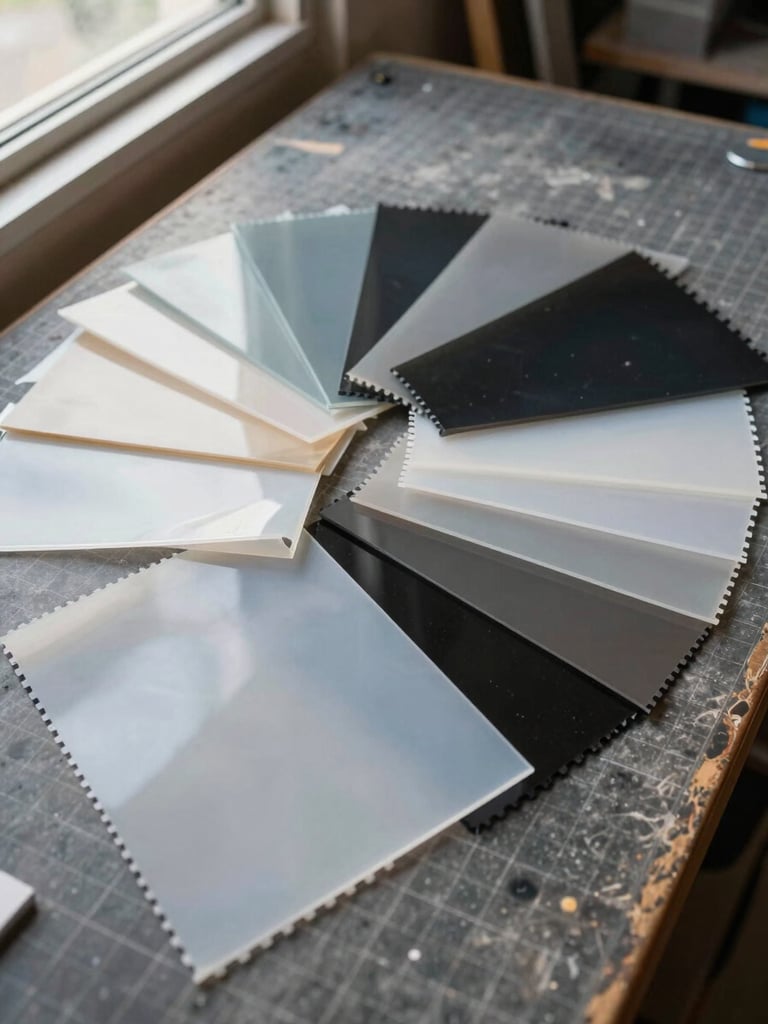
PVC and acrylic — the core range
Heavy-gauge PVC coated polyester for marine and agricultural applications: 650–900 gsm, water column rated to 2000mm+, UV-stabilised coating. Colour-fast solution-dyed acrylic for architectural and event work where breathability matters alongside weather resistance.
Polyester ripstop and technical composites for applications demanding moisture transfer — marquee linings, campervan awning skins, and canal boat hatches where condensation management is as critical as waterproofing.
Seams, binding, and fixings at the same spec
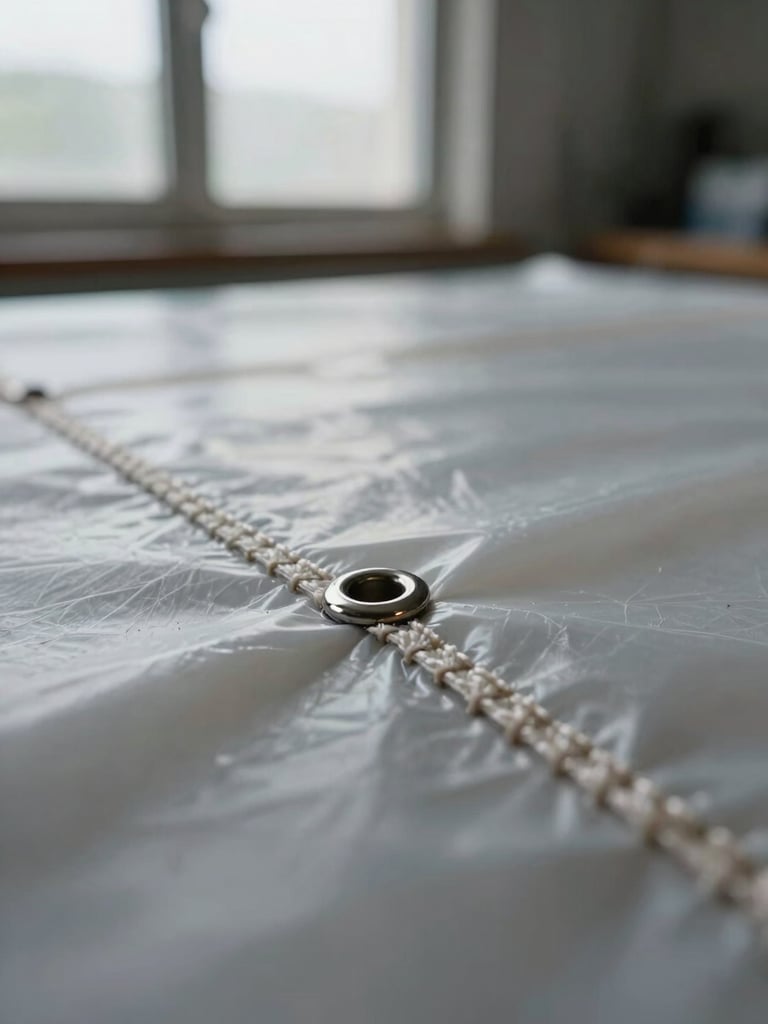
Marine-grade stainless press studs, brass eyelets, and aluminium extrusion channels. Thread weight and stitch density specified per fabric and load — not a standard setting.
Heat-weldable PVC binding, hand-stitched acrylic tape, and webbing straps sourced to the same tensile standard as the face fabric. Where the seam meets the load, there are no shortcuts.
Bring your application. We'll specify the material.
Tell us the job — load, exposure, and fit tolerance — and we'll confirm which fabric, weight, and fixing method meets the brief.